Is Your Child’s School Drinking Water Safe?

A new law that went into effect in California in January requires that schools have their drinking water tested for lead contamination by July of 2019. Schools built after 2010, private schools and those already required to test their drinking water are exempt.

Lead poses a health risk for children and vulnerable adults such as pregnant women, the elderly and those with compromised immune systems. According to the Centers for Disease Control and Prevention (CDC) even low levels of lead in the blood have been shown to affect cognitive abilities, the ability to pay attention, and academic achievement.

The new law requires schools to test up to five water sources, not a thorough examination when lead contamination can vary widely from water fixture to water fixture. Water outlets with lead levels over 15 parts per billion must be shut down or repaired. According to the Environmental Protection Agency (EPA), there is no safe level of exposure to lead.

For information on how your school can request free lead testing, please see this flier. Requests must be received before November 1, 2019.

Flier: How to request Free Lead testing in your K-12 school

EdSource Flier: Lead in California School Water: What You Need To Know

Interactive Map: Sampling Results for Schools Tested for Lead

EdSource Special Report: Tainted Taps: Lead Puts California Students at Risk
 

Bullying Prevention in Schools

Bullying can threaten students’ physical and emotional safety at school and can negatively impact their ability to learn. The best way to address bullying is to stop it before it starts. There are a number of things school staff can do to make schools safer and prevent bullying. Training school staff and students to prevent and address bullying can help sustain bullying prevention efforts over time.

Schools don’t always need formal programs to help students learn about bullying prevention. Schools can incorporate the topic of bullying prevention in lessons and activities.

Examples of activities to teach about bullying include:

  • Internet or library research, such as looking up types of bullying, how to prevent it and how kids should respond
  • Presentations, such as a speech or role-play on stopping bullying
  • Discussions about topics like reporting bullying
  • Creative writing, such as a poem speaking out against bullying or a story or skit teaching bystanders how to help
  • Artistic works, such as a collage about respect or the effects of bullying
  • Classroom meetings to talk about peer relations

To ensure that bullying prevention efforts are successful, all school staff need to be trained on what bullying is, what the school’s policies and rules are and how to enforce the rules. Training may take many forms: staff meetings, one-day training sessions and teaching through modeling preferred behavior. Schools may choose any combination of these training options based on available funding, staff resources and time.

Training can be successful when staff are engaged in developing messages and content, and when they feel that their voices are heard. Learning should be relevant to their roles and responsibilities to help build buy-in.

Learn more from www.stopbullying.gov.

E-Membership Next Steps

Congratulations, you are all set up in the new Electronic Membership System, powered by Totem. Now what? We have some marketing ideas you can use that will help you get members signing up right away.

Now that you have a membership link — share it — far and wide. Make sure you ASK people to join. Sharing and email works best with a specific call to action. Here are things you can do to supercharge your membership:

  1. Be the first to use electronic membership to join your PTA — and share with the built in social sharing links in your membership dashboard.
  2. Send the link to your board and get them all to set the example — and then have them share and tell their friends to join. This is a great opportunity for your board to understand the electronic membership system and to help spread the word around your community.
  3. Send the link in an email to all of your past members asking them to join.
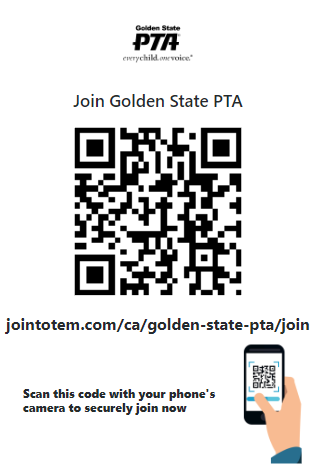
  4. Print out the Promotional Poster from your site dashboard and post in prominent locations. Have it on your bulletin board, and in acrylic display frames at registration, back to school events, the front desk of the school, and anywhere else where you can get people to join your PTA.
  5. Include the link in your newsletter and let everyone know how fast and easy it is to join.
  6. Ask your principal/assistant principal to include the link in messages to parents with a personal ask to join their school PTA.
  7. Post the link on your website with a colorful button. Bright colors like yellow and orange are great to attract attention.
  8. Post the link on your social media telling people you joined and how easy it was — and ask them to join and spread the word. Use #JoinPTA and #PTA4Kids in all your social sharing.