By the Family Engagement Commission and the Legislative Advocacy Team
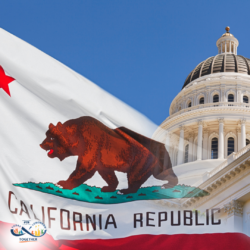 The California Governor serves as the state’s chief executive, wielding broad constitutional and administrative powers that touch virtually every aspect of life in California. This elected position is chosen by voters statewide every four years, and 2026 is an election year. Our Governor leads the nation’s most populous state and has authority over a massive government apparatus including dozens of departments, agencies, and boards. From proposing budgets exceeding $300 billion to appointing thousands of officials, the Governor’s decisions impact over 39 million Californians, including policies affecting children, families, health, safety, welfare, education, and community engagement.
- The Governor’s most significant impact comes through the state budget process. California spends over $100 billion on public education as part of a budget that exceeds $320 billion dollars. The Governor proposes the initial budget each January, setting spending priorities for schools, health programs, family services, and community initiatives. Budget decisions, which are made in concert with the Legislature, determine program availability, service levels, and the distribution of resources statewide.
- Through appointment powers, the Governor shapes much of California’s governance. These appointments determine policy direction and service delivery for programs families depend on daily. The Governor:
- selects State Board of Education members and appoints members to other boards and commissions affecting children and families, including those overseeing health services, child welfare, and community safety programs.
- appoints department heads who directly impact families, including the Secretary of Health and Human Services (overseeing child welfare and family support), the Director of Public Health (setting health and safety standards), the Director of Social Services (managing nutrition and assistance programs), and the Director of Emergency Services (coordinating disaster response).
- The Governor also influences policy through legislative leadership, working with the Legislature to pass laws affecting families. Through the power to sign or veto legislation, the Governor can approve beneficial measures or block harmful ones. Whether supporting early childhood programs, addressing community safety, promoting mental health services, or advancing family support initiatives, the Governor’s legislative agenda directly impacts children and communities throughout California.
- Emergency powers give the Governor significant authority during crises. Natural disasters, public health emergencies, or other challenges can necessitate immediate statewide responses, which are often coordinated through executive orders and emergency declarations. These actions can modify operations, funding distributions, and requirements to ensure safety and the continuity of operations.
- The Governor provides executive leadership for state departments serving children and families. Through cabinet-level coordination, the Governor ensures agencies work together effectively to provide comprehensive support for family well-being and child protection.
- Child welfare and family support represent critical gubernatorial focus areas. The Governor’s policies on foster care, family preservation services, child protection, and support for vulnerable families directly affect how well California serves its most at-risk children and families.
- Health and safety policies represent critical gubernatorial responsibilities. The Governor’s decisions on mental health services, substance abuse prevention, child welfare protections, and community safety initiatives directly impact children’s well-being and family stability.
- The Governor’s influence extends to local communities through grants, special programs, and targeted initiatives that often support California PTA priorities. Whether promoting civic engagement, supporting family involvement programs, advancing gun safety measures, or ensuring equitable access to resources, gubernatorial policies often translate into funding and opportunities that strengthen communities and support children.
The California Governor serves as a key leader in shaping policies that affect children and families, wielding executive authority that influences health, safety, education, and community well-being for millions of young Californians and their families throughout the state.
Parents, guardians, and PTAs, including students, can engage with the Governor’s office through public comment opportunities on budget proposals, town halls, and regional office communication. Understanding the Governor’s role helps families advocate effectively and hold elected officials accountable for outcomes affecting children and families.
This article is part of a series on California’s state elected officials, offices, agencies, and how they impact the education of children and the lives of families throughout California. PTA/PTSAs in California are encouraged to share/reprint this information with all members as we head into the June 2026 California primary and November 2026 election.
– Read “The California State Superintendent: Shaping Education for Millions,” first published in the October 2025 PTA Connects
– Read “The California State Board of Education: Setting the Course for Student Success,” first published in the November 2025 PTA Connects
– Read “The California Department of Education: Where Policy Meets Practice,” first published in the December 2025 PTA Connects
– Read “The California Attorney General: Protecting Students and Schools,” first published in the January 2026 PTA Connects